About this siteGuilds and Ways to calculate WagesEvents Recap
Guilds and Ways to calculate Wages
20th Century Hong Kong Painted Porcelains—Gangcai
BROWSE BY
RECENTLY VISITED
{{removeNBSP(item.name)}}
20th Century Hong Kong Painted Porcelains—Gangcai
BROWSE BY:
RECENTLY VISITED
{{item.name}}
Guilds and Ways to calculate Wages
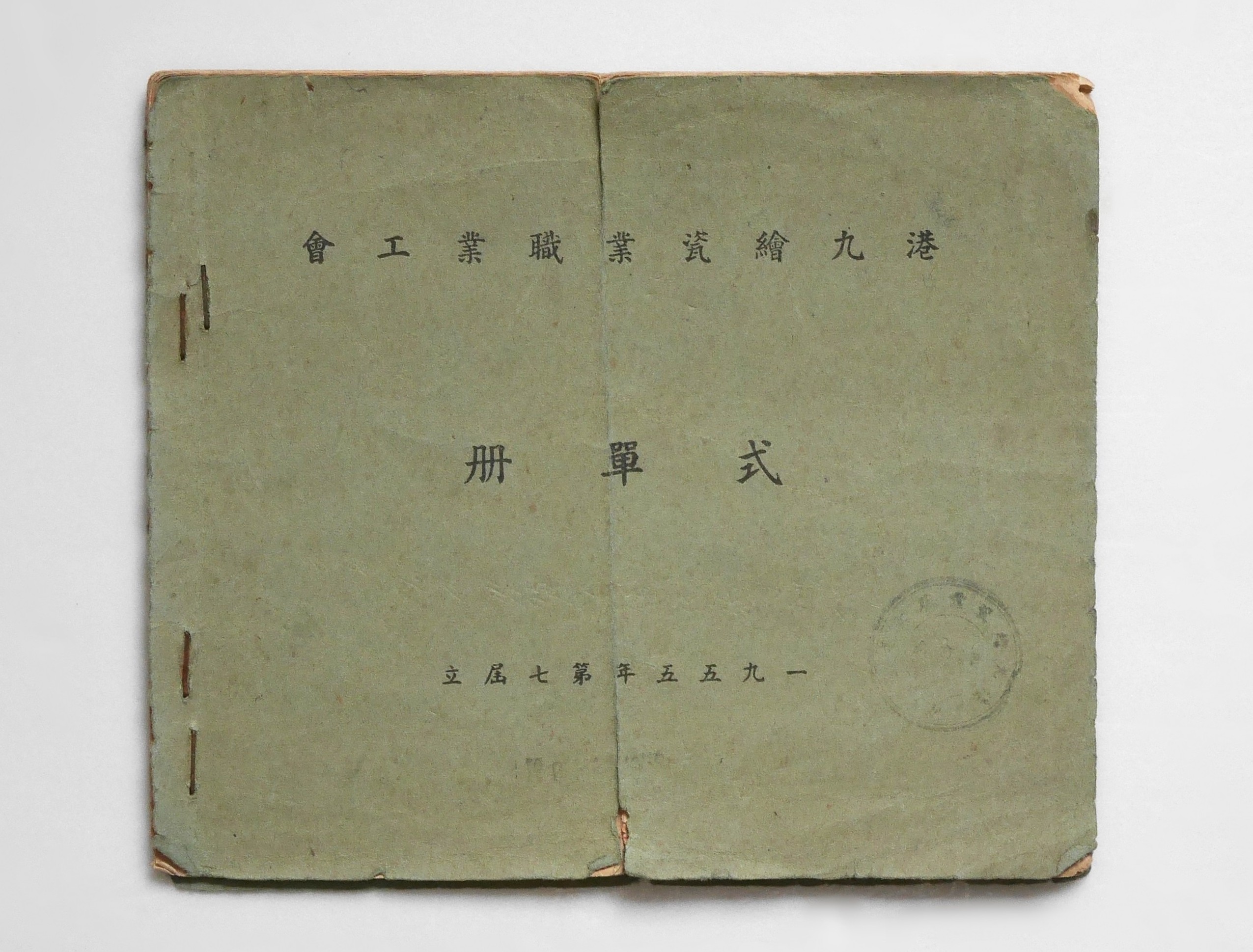
Guilds were formed during the early days of Gangcai development, their primary function was to establish a unified pricing system for painted porcelains, binding both business owners and labourers to adhere to it. The indicative price for painted porcelain established by the guild, as seen in the Price List Catalogue by the Hong Kong and Kowloon Porcelain Painters’ Union, closely resembles the 1926 edition of the Lingsitang’s Price List Catalogue in the names of the traditional patterns and pricing methods, only the currency differs, and fewer patterns listed. The Price List Catalogue in Hong Kong shows the rates for 48 painted porcelain patterns, and catalogues 229 different names and dimensions for blanks. Consulting Price List of Hong Kong and the product catalogues of porcelain factories reveals that some of the Western-style items that were not listed in the Price List Catalogue in Guangzhou, such as chocolate pots, snuff boxes, and ice cream dishes. This suggests that Hong Kong’s painted porcelain factories strived to cater to customs and dining practices of those in the West.
Wage scale for painting guangcai patterns: a wage scale for painting various types of guangcai patterns in 1955 in Hong Kong. (Collection of Yuet Tung)
Traditionally, the industry calculated labour costs in the unit ge (合). Larger vessels were assigned with more ge, and paid with higher wages accordingly. Taking the 1955 standards set by the Hong Kong and Kowloon Porcelain Painters’ Union as an example: a deep coupe plate of around 6 inches counted as one ge; while a six-piece miniature tea set constituted three ge. Difficulties in how the patterns were painted also affected the number of ge counted. For instance, portraits of people or dragons were harder to draw and commanded higher pay, whereas floral patterns were relatively cheaper.
When specifying porcelain requirements, yin (煙) was often used to denote the rim unit of width of bowls, plates, and cups. Yin is the Cantonese transliteration for 'inch' in English. For instance, a plate of five yin means a diameter of 5 inches. The term kin (件), which normally means number of pieces, does not carry the common meaning but rather serves as an approximate unit for measuring the height of vases. A 10-kin vase stands approximately 4 inches tall, while a 500-kin vase measures about 36 inches.
The wages of early painting master and painting workers were based on the amount of work they did, with painting workers receiving wages amounting to 20% of the maters’ earnings. Pigment grinding was handled by contracted labourers paid by weight of grounded pigment.
The Hong Kong and Kowloon Porcelain Painters’ Union disbanded soon after, some in the industry were not supportive of the union’s regulations such as the requirement of membership fees, and preferring to operate themselves free from those regulations, the union’s influence gradually waned, and with it, the purpose of the Price List came to an end. Subsequently, Gangcai departed from tradition and developed many new patterns and designs, which are hard to set the price based on the conventional price structures, remuneration came to adopt wage cycles counted daily, fortnightly, or monthly just like mainstream corporate practices.
Guilds were formed during the early days of Gangcai development, their primary function was to establish a unified pricing system for painted porcelains, binding both business owners and labourers to adhere to it. The indicative price for painted porcelain established by the guild, as seen in the Price List Catalogue by the Hong Kong and Kowloon Porcelain Painters’ Union, closely resembles the 1926 edition of the Lingsitang’s Price List Catalogue in the names of the traditional patterns and pricing methods, only the currency differs, and fewer patterns listed. The Price List Catalogue in Hong Kong shows the rates for 48 painted porcelain patterns, and catalogues 229 different names and dimensions for blanks. Consulting Price List of Hong Kong and the product catalogues of porcelain factories reveals that some of the Western-style items that were not listed in the Price List Catalogue in Guangzhou, such as chocolate pots, snuff boxes, and ice cream dishes. This suggests that Hong Kong’s painted porcelain factories strived to cater to customs and dining practices of those in the West.
Wage scale for painting guangcai patterns: a wage scale for painting various types of guangcai patterns in 1955 in Hong Kong. (Collection of Yuet Tung)
Traditionally, the industry calculated labour costs in the unit ge (合). Larger vessels were assigned with more ge, and paid with higher wages accordingly. Taking the 1955 standards set by the Hong Kong and Kowloon Porcelain Painters’ Union as an example: a deep coupe plate of around 6 inches counted as one ge; while a six-piece miniature tea set constituted three ge. Difficulties in how the patterns were painted also affected the number of ge counted. For instance, portraits of people or dragons were harder to draw and commanded higher pay, whereas floral patterns were relatively cheaper.
When specifying porcelain requirements, yin (煙) was often used to denote the rim unit of width of bowls, plates, and cups. Yin is the Cantonese transliteration for 'inch' in English. For instance, a plate of five yin means a diameter of 5 inches. The term kin (件), which normally means number of pieces, does not carry the common meaning but rather serves as an approximate unit for measuring the height of vases. A 10-kin vase stands approximately 4 inches tall, while a 500-kin vase measures about 36 inches.
The wages of early painting master and painting workers were based on the amount of work they did, with painting workers receiving wages amounting to 20% of the maters’ earnings. Pigment grinding was handled by contracted labourers paid by weight of grounded pigment.
The Hong Kong and Kowloon Porcelain Painters’ Union disbanded soon after, some in the industry were not supportive of the union’s regulations such as the requirement of membership fees, and preferring to operate themselves free from those regulations, the union’s influence gradually waned, and with it, the purpose of the Price List came to an end. Subsequently, Gangcai departed from tradition and developed many new patterns and designs, which are hard to set the price based on the conventional price structures, remuneration came to adopt wage cycles counted daily, fortnightly, or monthly just like mainstream corporate practices.