About this siteCustom-made Heraldic Porcelain for the NobilityEvents Recap
Custom-made Heraldic Porcelain for the Nobility
20th Century Hong Kong Painted Porcelains—Gangcai
BROWSE BY
RECENTLY VISITED
{{removeNBSP(item.name)}}
20th Century Hong Kong Painted Porcelains—Gangcai
BROWSE BY:
RECENTLY VISITED
{{item.name}}
Custom-made Heraldic Porcelain for the Nobility
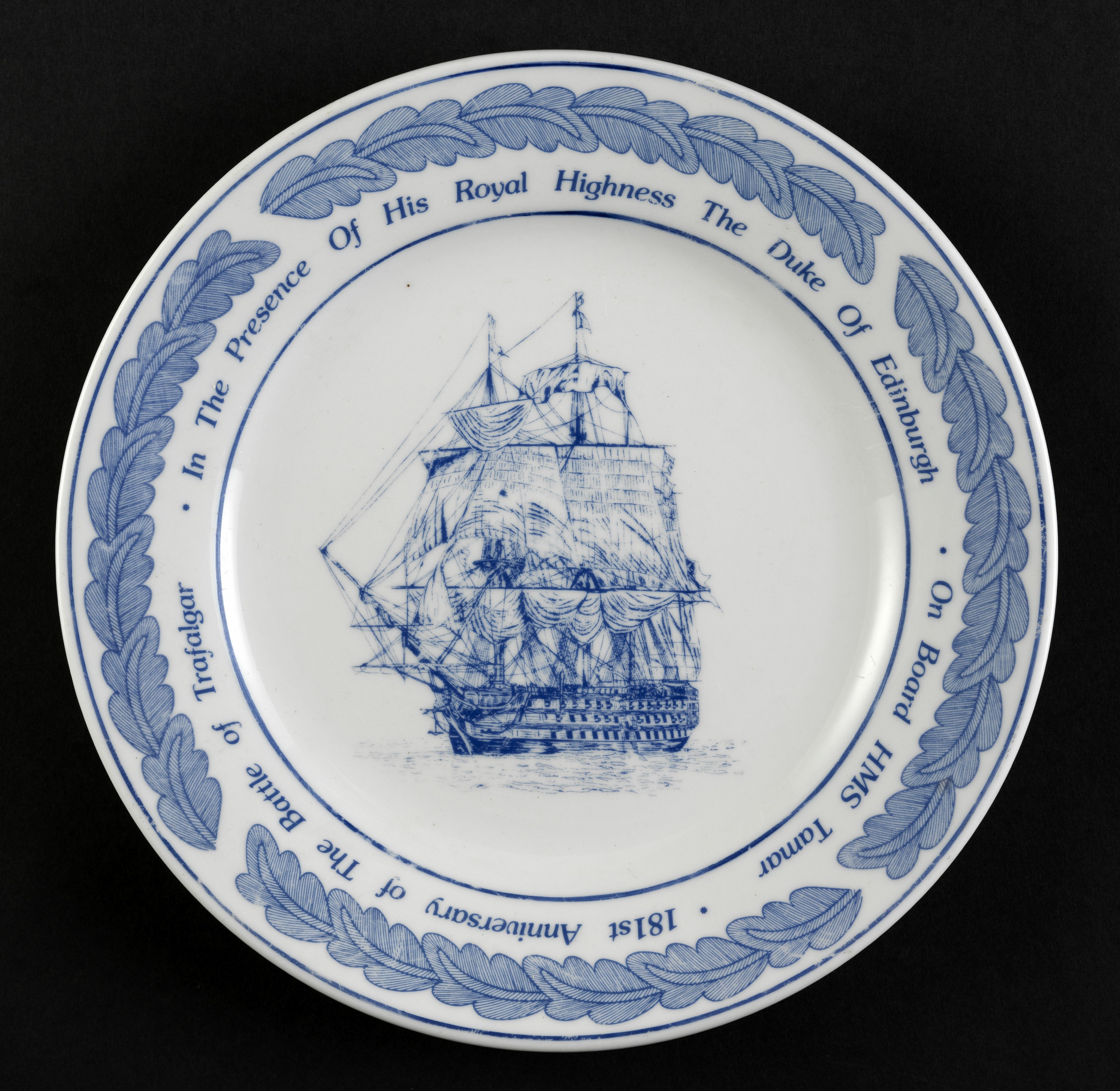
British and other European royal families, aristocrats, and military officers used to commission Gangcai factories for heraldic porcelain wares, they were predominantly tableware, featured bespoke designs or family crests chosen by the customers. For instance, the Yuet Tung China Works specialised in heraldic porcelain since the 1950s, with orders coming from expatriates residing in Hong Kong or from businessmen and celebrities.
Western heraldic porcelain exhibits distinctive forms, besides traditional Chinese plates and vases, there were also silverware and glassware akin to Western traditions, emphasising sculptural designs. The motif patterns blend elements from both Eastern and Western traditions.
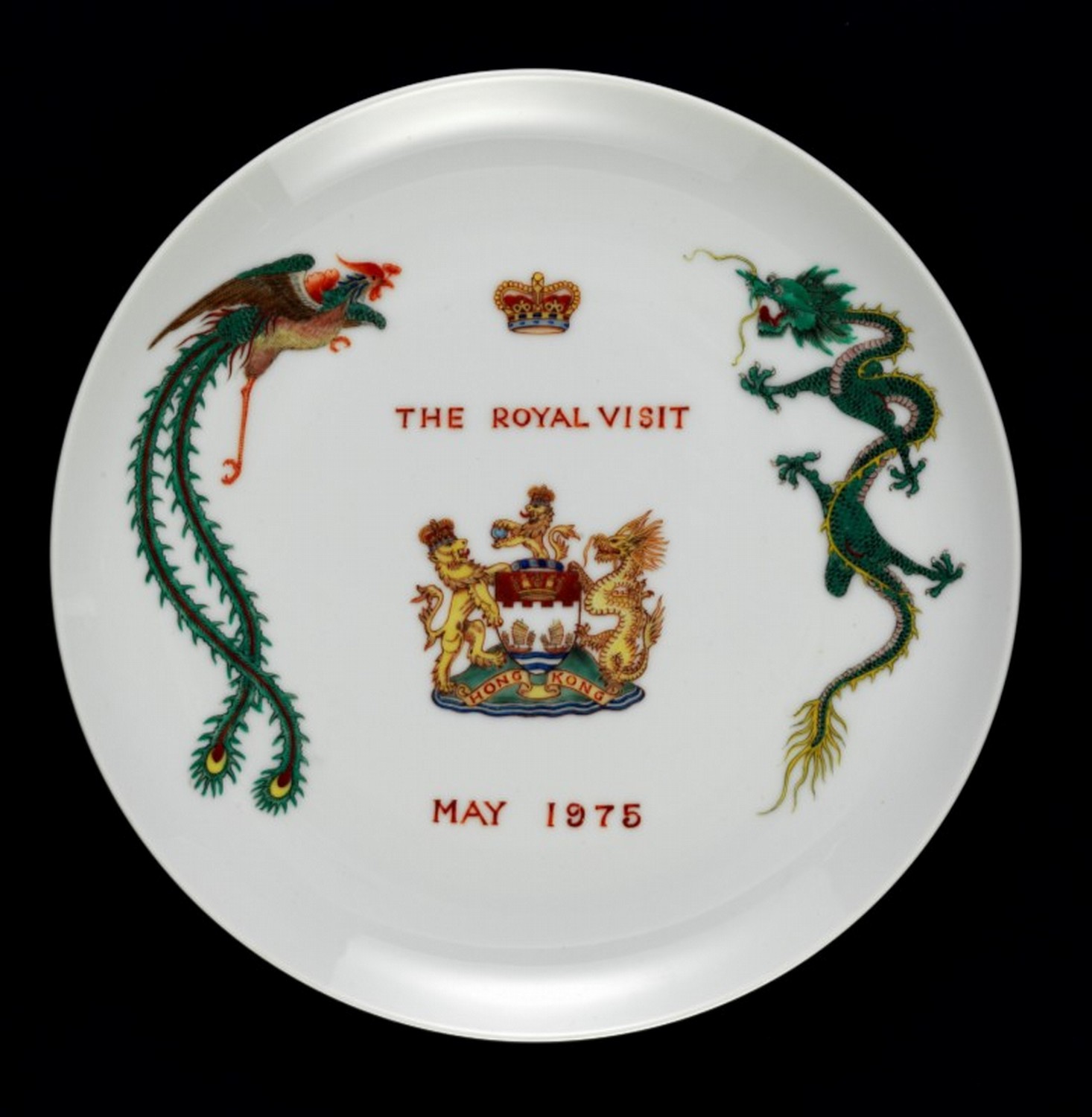
A prime example is the commemorative porcelain plate marking the inaugural visit to Hong Kong by Queen Elizabeth II and Prince Philip in 1975. This heraldic plate was commissioned by the Hong Kong Government from the Yuet Tung China Works to mark this historic visit. At the centre of the plate was the Coat of Arms of Hong Kong bearing both Chinese style dragon and Western style lions. Above the emblem sits the crown of the monarch, flanked by a pair of Chinese dragon and phoenix, this set of motifs associated with Chinese emperors was used to welcome the arrival of the British sovereign. The plate thus presents a confluence of Eastern and Western cultures, a witness to the colonial rule of Hong Kong.
Blue painted plate commemorating the Duke of Edinburgh boarding HMS Tamar for the 181st anniversary of the Battle of Trafalgar (1986, painted and collected by Yuet Tung China Works)Queen Elizabeth II royal visit to Hong Kong commemorative plate (1975, hand-painted by Mak Kam Chor; Collection of Yuet Tung China Works)
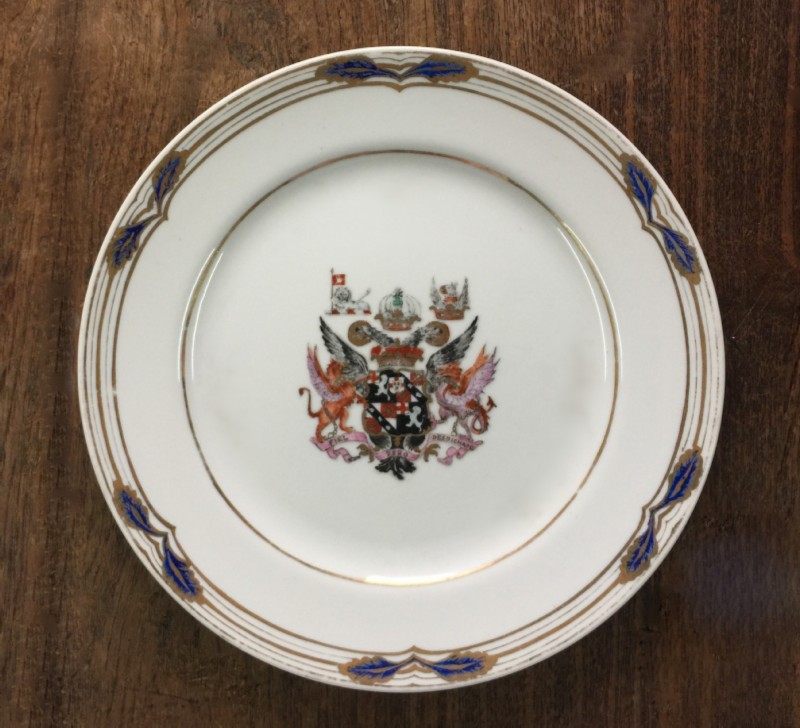
Armorial plate made to order for the British Duchess of Marlborough (1960s, painted and collected by Yuet Tung China Works)
British and other European royal families, aristocrats, and military officers used to commission Gangcai factories for heraldic porcelain wares, they were predominantly tableware, featured bespoke designs or family crests chosen by the customers. For instance, the Yuet Tung China Works specialised in heraldic porcelain since the 1950s, with orders coming from expatriates residing in Hong Kong or from businessmen and celebrities.
Western heraldic porcelain exhibits distinctive forms, besides traditional Chinese plates and vases, there were also silverware and glassware akin to Western traditions, emphasising sculptural designs. The motif patterns blend elements from both Eastern and Western traditions.
A prime example is the commemorative porcelain plate marking the inaugural visit to Hong Kong by Queen Elizabeth II and Prince Philip in 1975. This heraldic plate was commissioned by the Hong Kong Government from the Yuet Tung China Works to mark this historic visit. At the centre of the plate was the Coat of Arms of Hong Kong bearing both Chinese style dragon and Western style lions. Above the emblem sits the crown of the monarch, flanked by a pair of Chinese dragon and phoenix, this set of motifs associated with Chinese emperors was used to welcome the arrival of the British sovereign. The plate thus presents a confluence of Eastern and Western cultures, a witness to the colonial rule of Hong Kong.
Blue painted plate commemorating the Duke of Edinburgh boarding HMS Tamar for the 181st anniversary of the Battle of Trafalgar (1986, painted and collected by Yuet Tung China Works)Queen Elizabeth II royal visit to Hong Kong commemorative plate (1975, hand-painted by Mak Kam Chor; Collection of Yuet Tung China Works)
Armorial plate made to order for the British Duchess of Marlborough (1960s, painted and collected by Yuet Tung China Works)